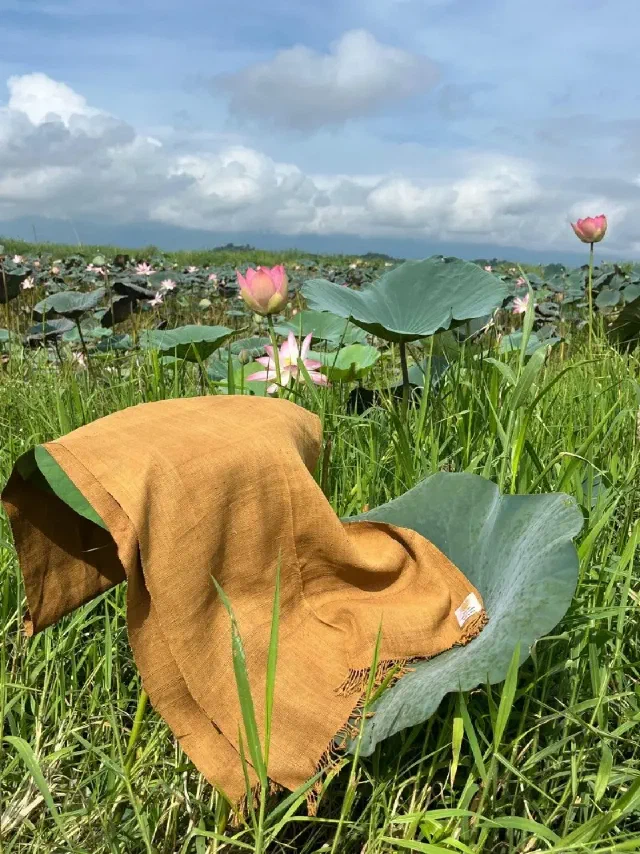
Padonma is the Burmese word for lotus. This project goes by that name as a nod to the culture which invented lotus fiber textiles.
In this project “Padonma” refers to three things:
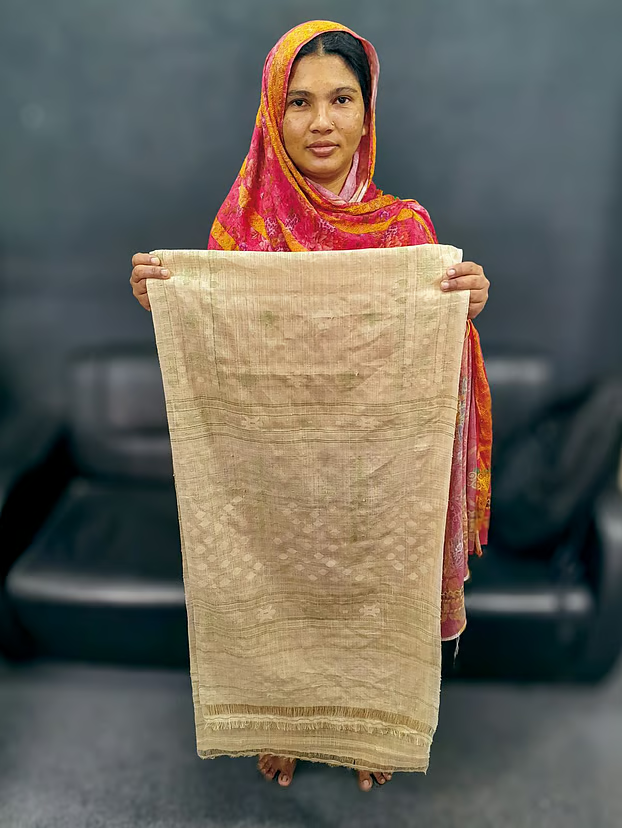
- Padonma, the fiber: the physical textile and its producers in Southeast Asia and the economics thereof
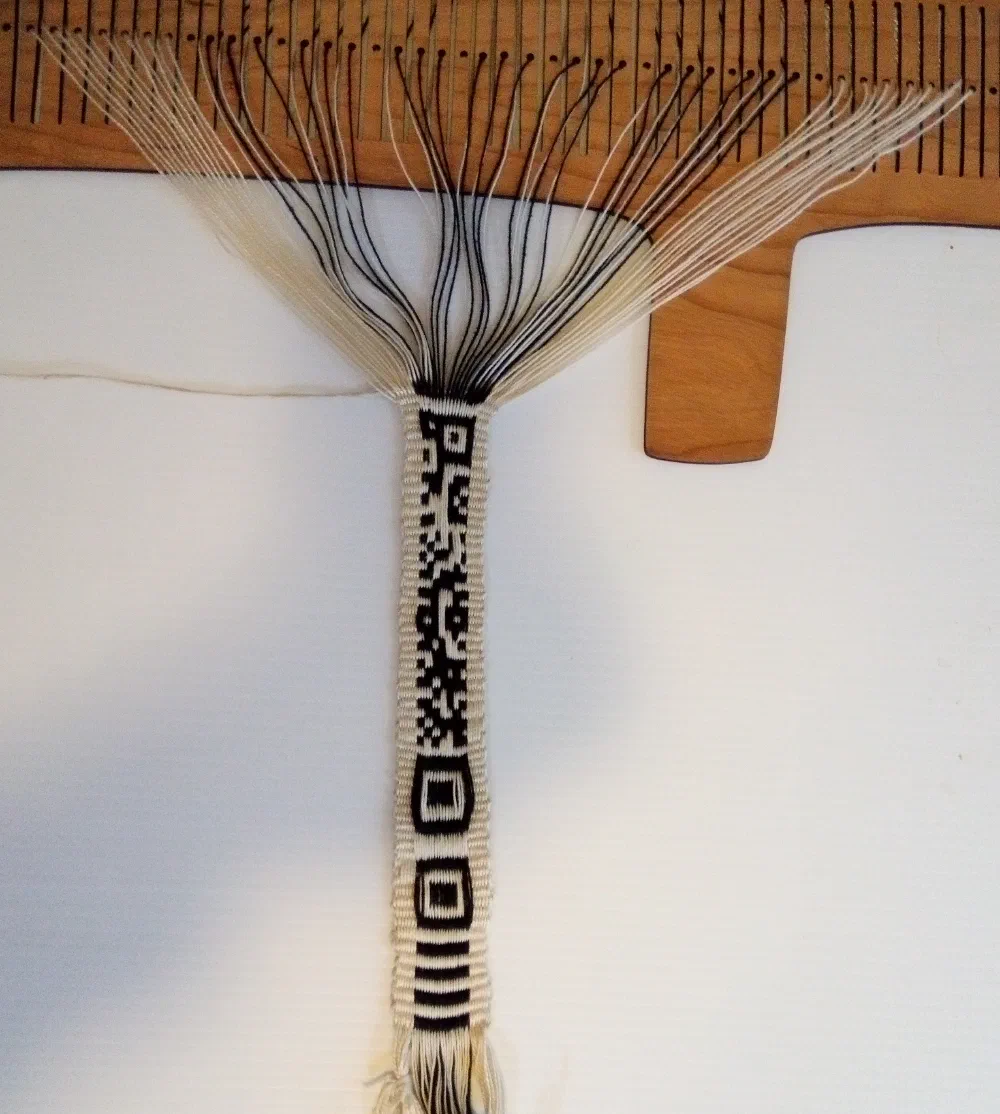
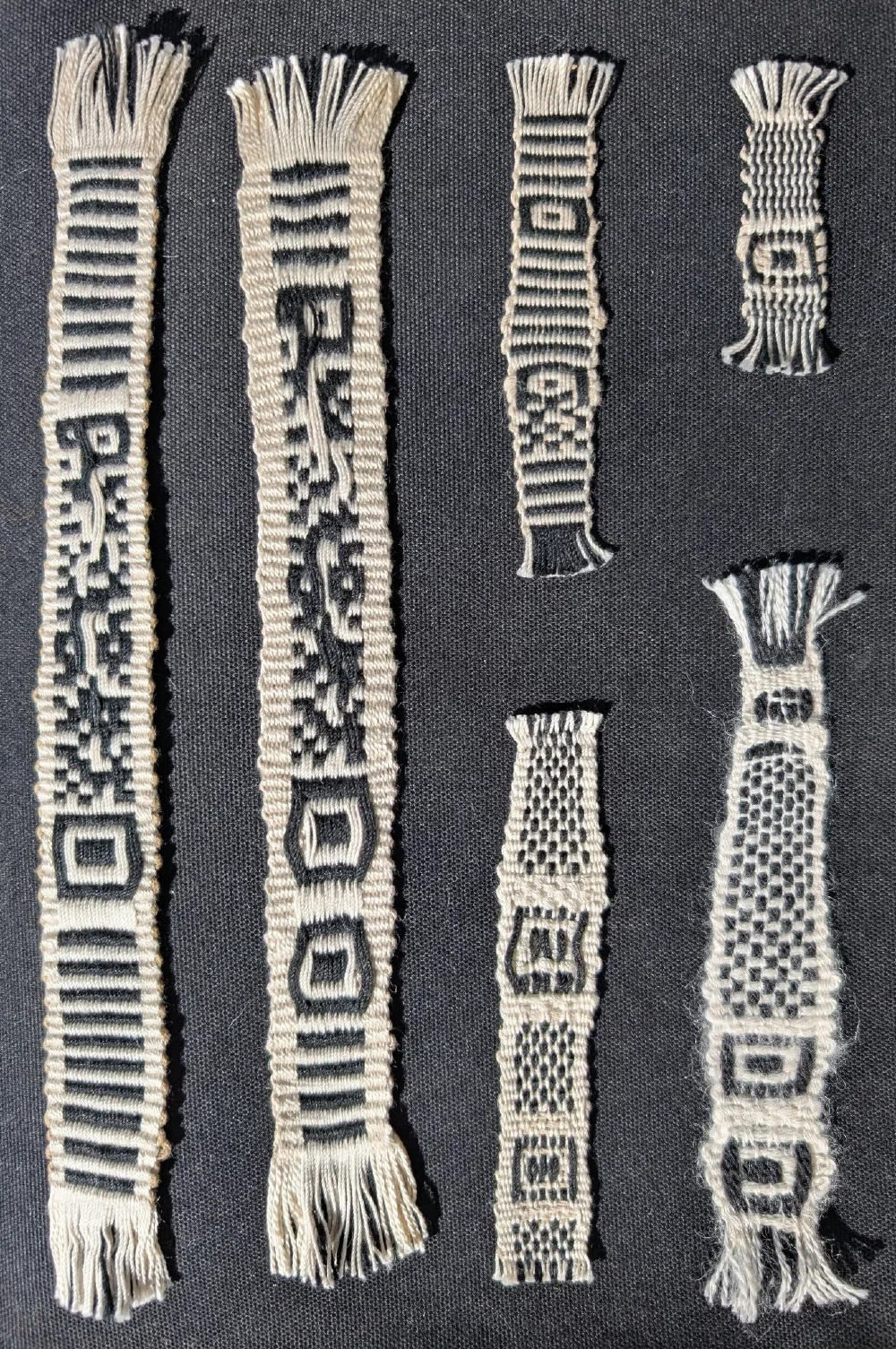
- Padonma, the network: open-source digital technology based on handwoven QR ID tags facilitating a global lotus fiber marketplace
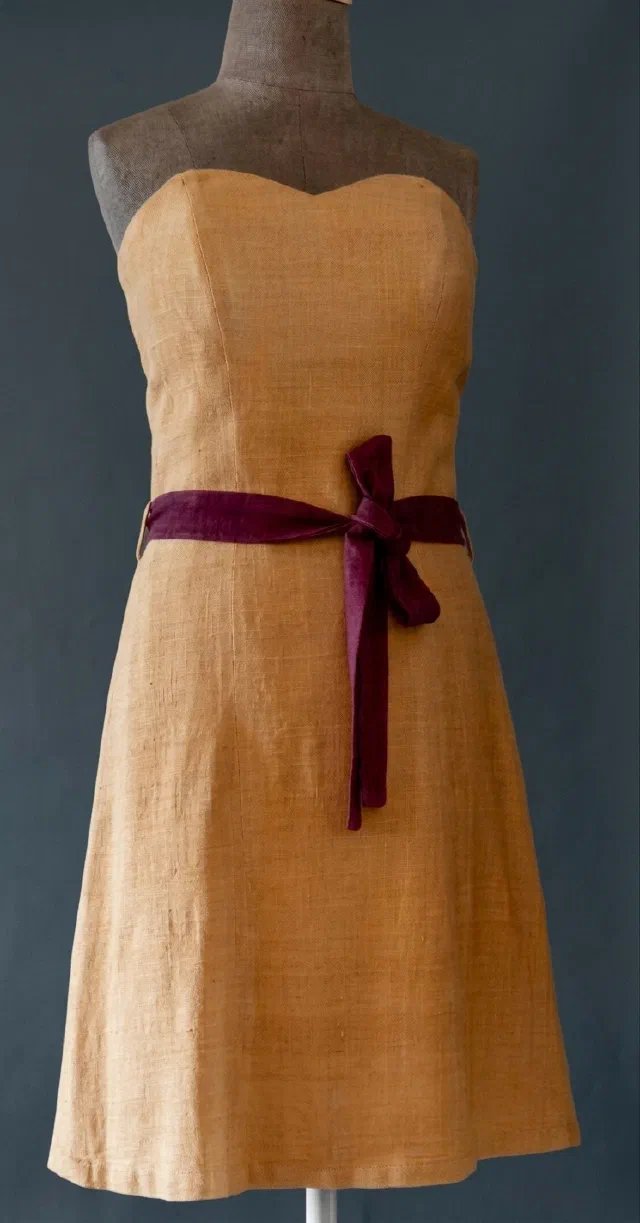
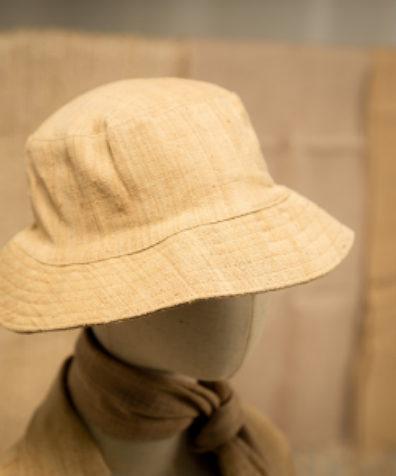
- Padonma, the atelier: a fashion brand showcasing Burmese lotus fashion distributed over the network
Padonma Fiber
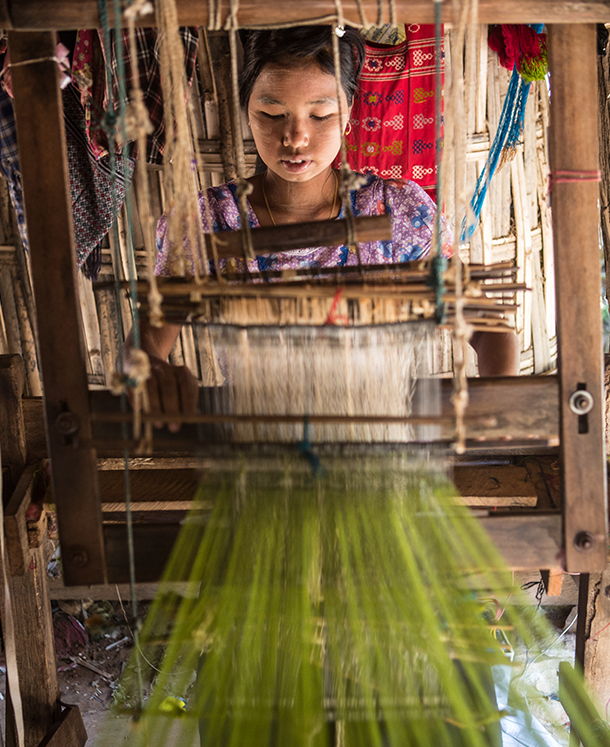
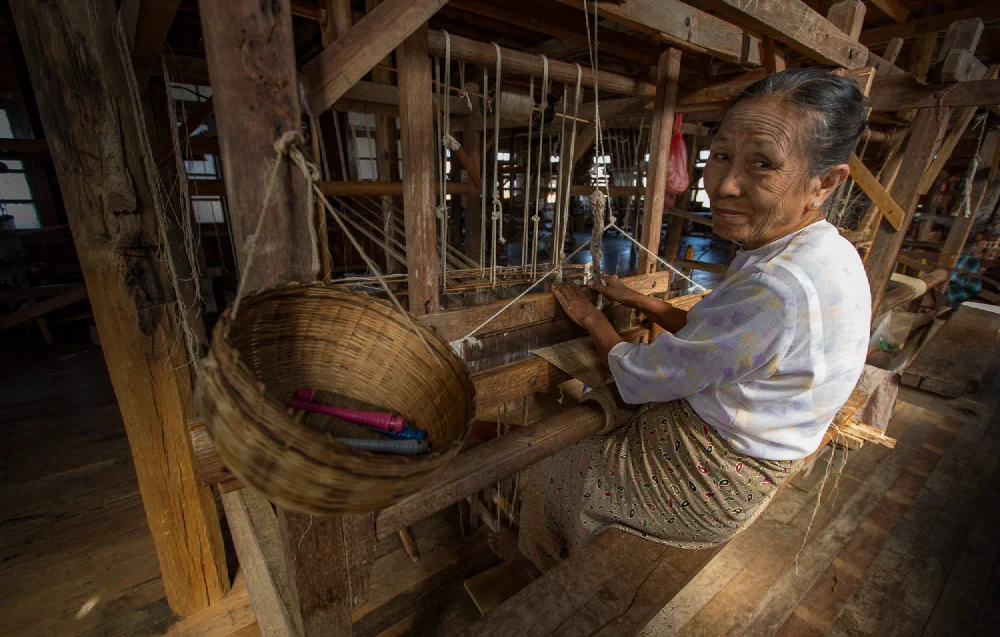
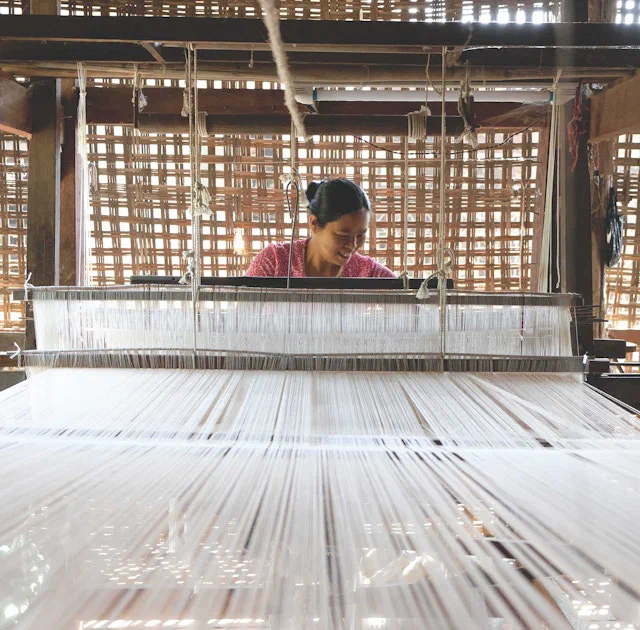
Southeast Asian has stunningly sophisticated living weaving cultures. There are peoples in the region where the woman of the house still weaves all the clothing for the family. In Laos, weaving training starts at six transmitted from mother to daughter.
During the colonial period which ended in 1948, Burmese women were such skilled weavers that they had no need for the textiles of the British overlords, so the British taxed garment made at home for home use.
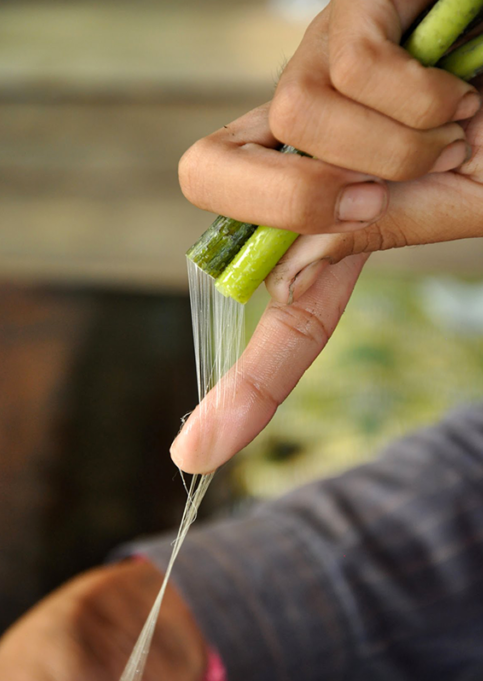
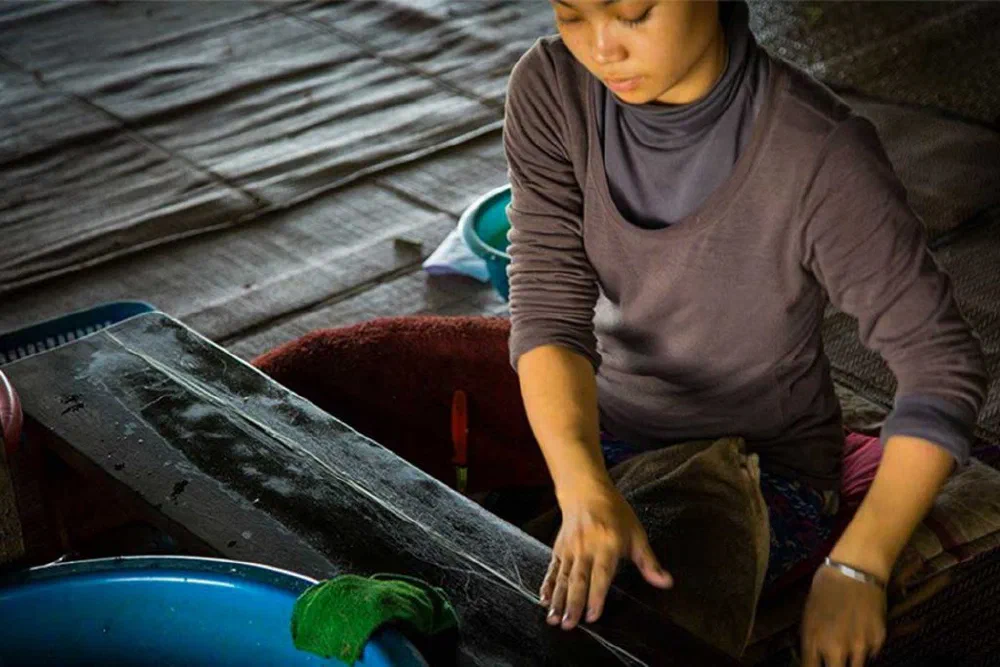
Out of that world comes lotus fibers, which was invented at the dawn of the twentieth century by a Burmese woman, Daw Saw U.
The most general Padonma the fiber, it’s history and cultural context, production techniques, economics, etc.
Padonma Network
The main takeaway of this project is the Padonma Network. Free OSS. Free as in speech and in beer. OSS that runs on free tier web services, architected to avoid any centralizing beaurocracy.
There is immensense power in unique QR codes. A single QR code that IDs, say, 10,000 of the same t-shirt is a lot different that a single QR code for a single garment. In the former case an owner gives the tags to anonymous workers. In the latter, the artisan makes themselves a tag to digitally represent the value added product they manufactured and own. The Padonma Network inverts the power dynamics around the digital ID technology for the textile industry.
Further, the data in the Network’s QRs are simply UUIDs, which can be created without any centralizing authority as is the case with, sat, GS1 barcodes for grocery store products. In extreme cases, simply flipping a coin 128 times is a way to generate a new random UUID. The Padonma Networks is all about “lateral thinking with weathered technologies” and architecting simple scalable solutions. Simpliest, cheapest weaving tech and simpliest cheapest web tech happily married.
UUIDs in one-off QR codes that can be handwoven empower an individual artisan with all the power needed to represent their goods within the global digital marketplace. Just put the QR code’s UUID on any free website (free tier on AWS, Google, CloudFlare, GitHub, etc.) and when the QR is later scanned by a cell phone camera a Google search will connect the scanner dirrectly back to the artisan, no intermediaries wetting their beaks along the social connection.
places the identifying of an object fully within controls of the artisan.
The Padonma Network is the sort of inventory system that would have made Luddites in the English cottage industry into enthusiastic early adoptors, because this technology enables the solo artisan to be on the same playing field as the other capitalists. Technology evolved back to decentralized means of production and distribution.
Specific to the handlooming sector is the need to authenticate an item as hand-loomed versus machine-woven, something the unique ID QR bands can enable as demonstrated by India and its QR-based handloom authentication system.
Atelier Padonma
Atelier to bootstrap the Padonma Network.
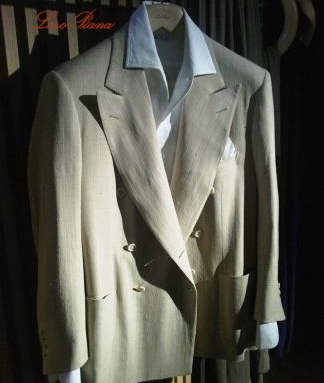
Within the context of the Padonma Network we have launched Atelier Podonma, a boutique fashion workshop which produces an extremely limited number of garments made of lotus fiber. Those garments are specifically based on traditional Burmese garment styles. Focusing on this niche focus keeps Atelier Padonma from competing with real fashion houses which will use lotus fiber and pays homage to the culture that invented lotus fiber.
The primary goal of Atelier Padonma is to function as an example of how the Padonma Network is intended to work. Profit is not the main goal of Atelier Padonma; garments are produced with the main goal of getting artists in the luxury fashion world to have their first hands-on experiences with lotus fiber fashion. If Atelier Padonma finds an audience within the haute couture world, that will be a nice bonus serving to motivate the real lotus fiber suppliers.